Underfloor heating is becoming an increasingly popular choice in Dorset homes. It provides an even, comfortable warmth and frees up wall space by removing the need for radiators. However, not every flooring type works well with underfloor heating, so choosing the right material is essential.
At Dorset Contract Flooring, we help homeowners find the best flooring solutions for their specific needs, including properties with underfloor heating systems.
Why Flooring Choice Matters with Underfloor Heating
Underfloor heating works by warming a room from the floor upward. For this to be effective, the flooring material needs to conduct and transfer heat efficiently. Thick or dense materials can act as an insulator, reducing the system’s effectiveness and increasing energy bills. The ideal flooring has a low thermal resistance rating, often referred to as a tog rating.
The Best Flooring Options for Underfloor Heating
Luxury vinyl tile (LVT) is one of the most compatible flooring types for underfloor heating. It is thin, flexible, and conducts heat well, making it both practical and stylish. LVT is also water resistant and highly durable, which makes it a popular choice throughout the home.
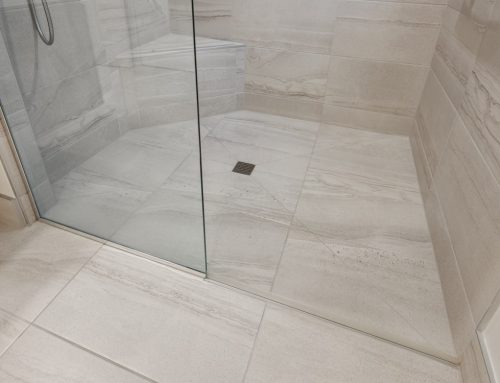
Porcelain and ceramic tiles are another excellent option. Stone and tile conduct heat very efficiently and retain warmth for longer periods. They are ideal for kitchens, bathrooms, and hallways where underfloor heating is commonly installed.
Engineered wood flooring can also be used with underfloor heating, provided the system is set up correctly. Unlike solid wood, engineered wood is more dimensionally stable and less prone to expansion or contraction caused by heat. It is important to check the manufacturer’s guidelines and keep water temperatures within the recommended range.
Flooring to Avoid with Underfloor Heating
Solid wood flooring is generally not recommended for use with underfloor heating. The heat can cause the wood to expand and contract significantly, leading to warping or gaps over time. If you have your heart set on a wood look, engineered wood or LVT are much safer alternatives.
Thick carpet and underlay can also reduce the efficiency of underfloor heating. If you prefer carpet in certain rooms, choose a product with a low tog rating specifically designed for use with heated floors.
Getting the Right Advice for Your Dorset Home
Choosing flooring for a home with underfloor heating requires careful consideration of both the heating system type and the room’s intended use. Our team at Dorset Contract Flooring can help you find the right material that works efficiently with your system and looks great throughout your property.
Contact us today to discuss your flooring requirements and arrange a free consultation with one of our Dorset based flooring specialists.